Casino Table Game 21 Plus 3 Bet: The Math Behind the Side Wager
The 21 Plus 3 side bet is not a charity hand-out from the house—it is a tightly engineered volatility trap that punishes lazy players who never run the numbers. Strip away the felt and the chips, and what you have is a straightforward poker-hand overlay grafted onto a blackjack table, where the paytable does all the talking and the dealer's hole card decides your fate. Most punters mash this bet every hand because it looks cheap. That is exactly the behavior the math is built to harvest.
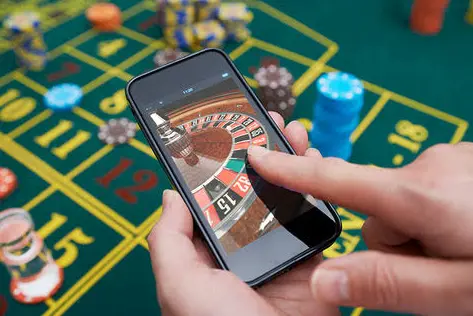
How the 21 Plus 3 Side Bet Actually Resolves
The mechanic is brutally simple. You place a side wager before the deal. Your three-card hand—your two hole cards plus the dealer's upcard—gets evaluated against a fixed paytable. Flush, straight, three of a kind, straight flush. That is the entire universe of this wager. No deep strategy, no card counting edge worth chasing, just a three-card poker hand resolved instantly. 🔥 The 21 Plus 3 side bet pays on your combined three cards, which means the dealer's upcard is not an enemy here—it is a partner. That single structural fact changes how you should think about every hand you sit down to play.
The Paytable Is Where the House Buries Its Edge
Run the combinatorics and the truth falls out fast. A three-card flush pays somewhere in the 5-to-1 range on most layouts, a straight around 10-to-1, three of a kind roughly 30-to-1, and a straight flush in the neighborhood of 40-to-1. Plug those into the actual probability of each hand appearing from a six-deck shoe and the house edge on the 21 Plus 3 side bet lands in the brutal 3.5% to 7.5% band depending on the exact paytable variant. Compare that to the sub-1% edge on a well-played blackjack main game and you start to see the trap for what it is. 💀 The side bet is a completely different animal with a completely different cost structure, and conflating the two is how bankrolls die.

Paytable Variants You Must Audit Before Sitting Down
Not all 21 Plus 3 layouts are created equal, and the difference is real money. The 6-5-4-3-2 variant and the 5-4-3-2-1 variant look similar on the felt but diverge sharply in expected value. A straight flush at 40-to-1 versus 30-to-1 is not a cosmetic tweak—it moves the edge by percentage points over volume. Sharps audit the paytable before a single chip moves. If the layout pays 5-to-1 on a flush and 30-to-1 on trips, you are looking at roughly a 3.7% house edge. Drop the trips payout to 25-to-1 and that edge balloons past 5%. The 21 Plus 3 side bet is a pure paytable game, and the paytable is printed in plain sight. Read it or donate.
Bankroll Mathematics and the Variance Reality
Here is the part the glossy guides skip. The hit frequency on this wager sits around 25%—meaning three out of four hands you lose the side bet outright. That is a cold, hard variance profile that demands a separate bankroll allocation from your main blackjack action. Treat the side bet as an entertainment line item, capped at a small percentage of your session stack, or skip it entirely. 🎯 A disciplined player logs the exact paytable, computes the edge, and decides once—not on every hand. The 21 Plus 3 side bet rewards precision and punishes impulse, and the players who understand the three-card probability grid will always outlast the ones chasing a hot streak.
Where the Side Bet Fits in a Sharp Session
If you are going to touch this wager, do it with eyes open and a hard stop. The 21 Plus 3 side bet is a poker-hand lottery with a known, calculable price tag, and the competent move is to price it before you play it. Audit the layout, confirm the flush and trips payouts, and size your side action so a 75% loss rate does not dent your main game. That is the entire discipline. The rest is noise on the felt.